Why is concrete different on the coast?
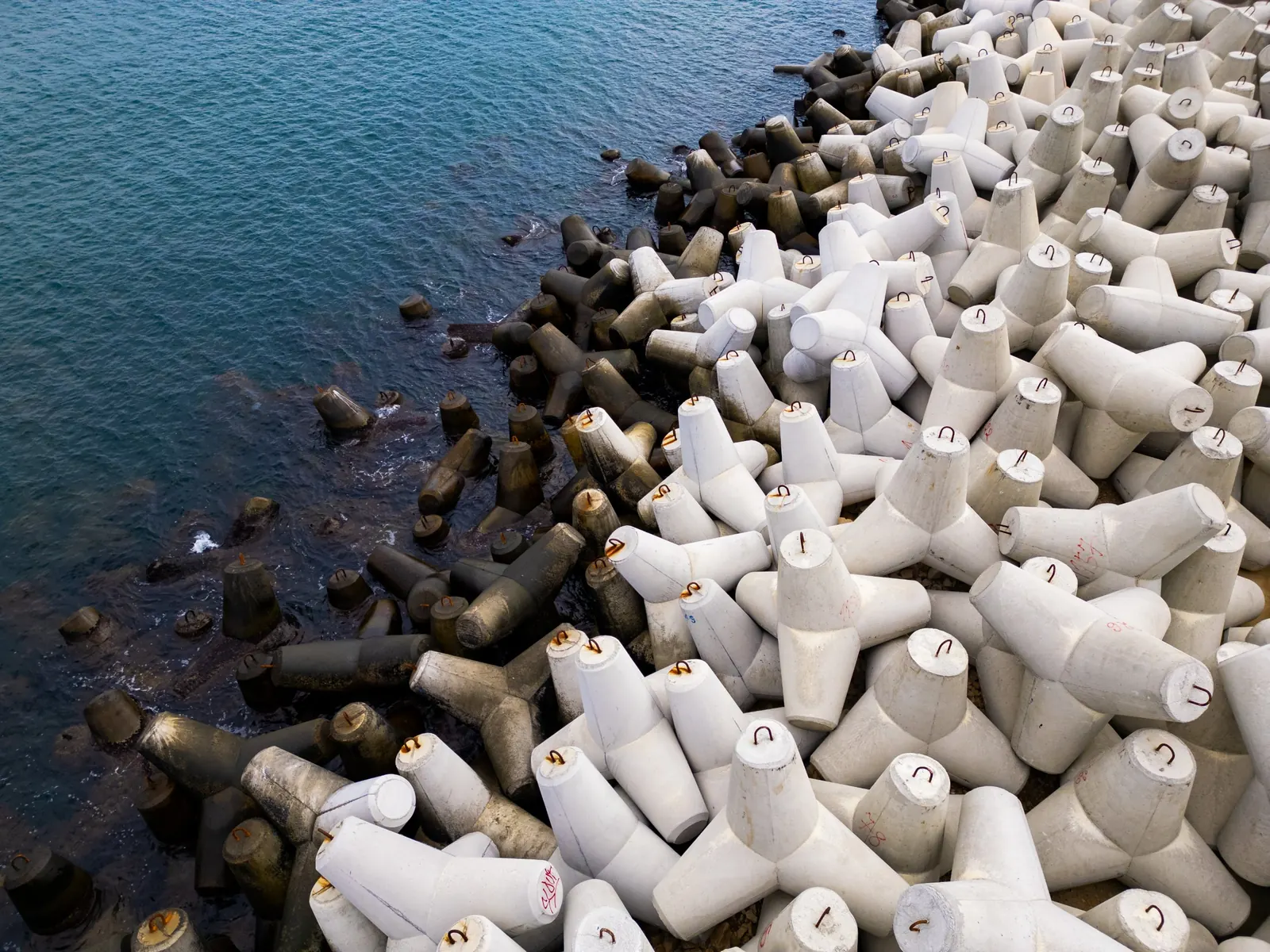
Chloride in seawater can penetrate concrete and start rusting once it reaches the reinforcement. Rust increases the volume of the steel and can crack the concrete cover. So in coastal structures durability depends on the whole concrete design, not only on the strength class.
The XS exposure classes
TS EN 206 defines the chloride effect from seawater with three classes:
- XS1: structures exposed to airborne salt but not in direct contact with seawater
- XS2: structures permanently submerged
- XS3: structures in tidal, splash and spray zones
Each class has different limits for the concrete design and cover. The project specification decides which class applies.
What changes on site?
On coastal jobs the points that get particular attention are:
- The concrete class and water/cement ratio
- Reinforcement cover and correct placement of spacers
- Curing: not letting the surface dry out at an early age
- Pour time windows that narrow because of waves and tides
Our approach
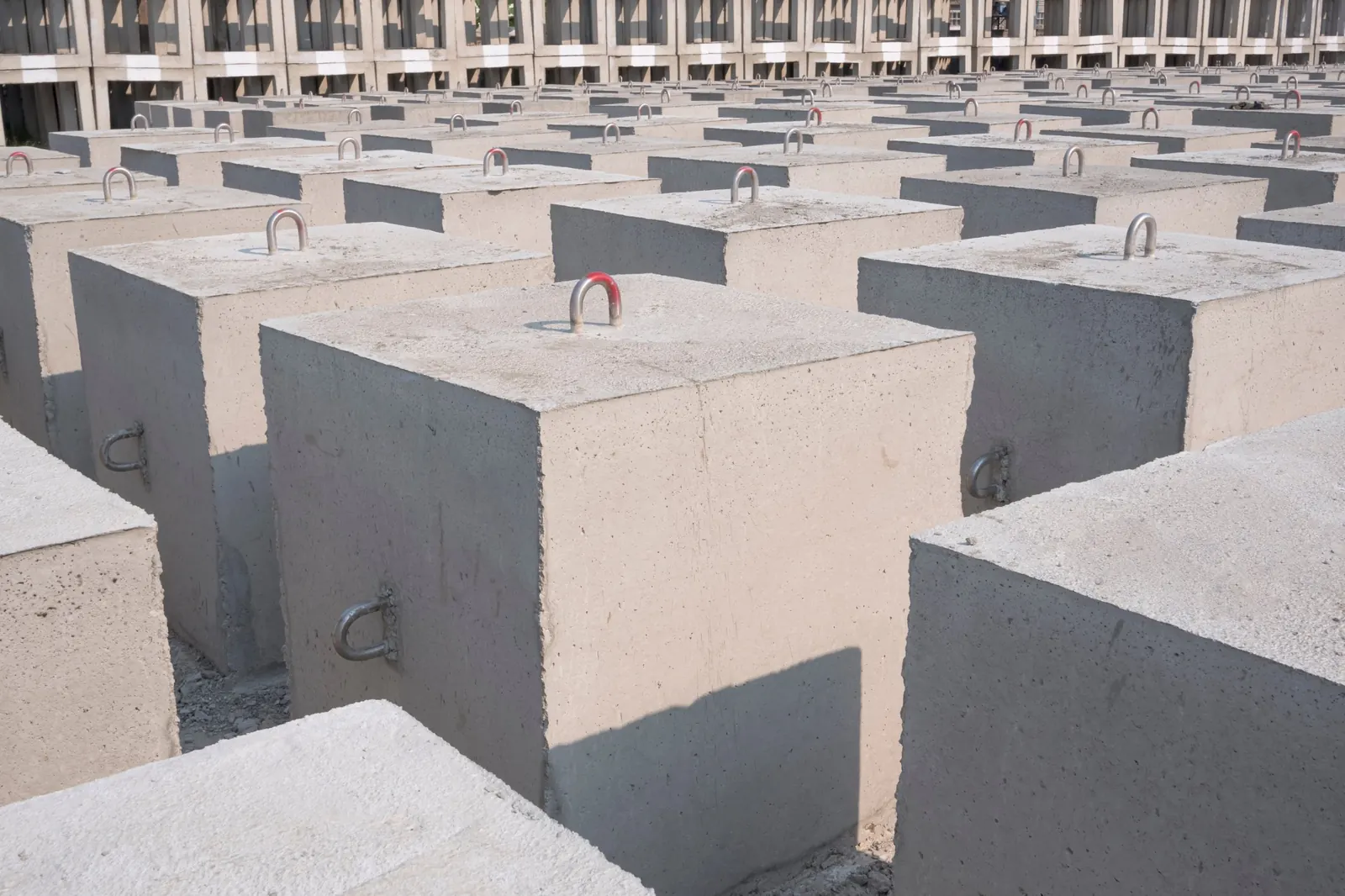
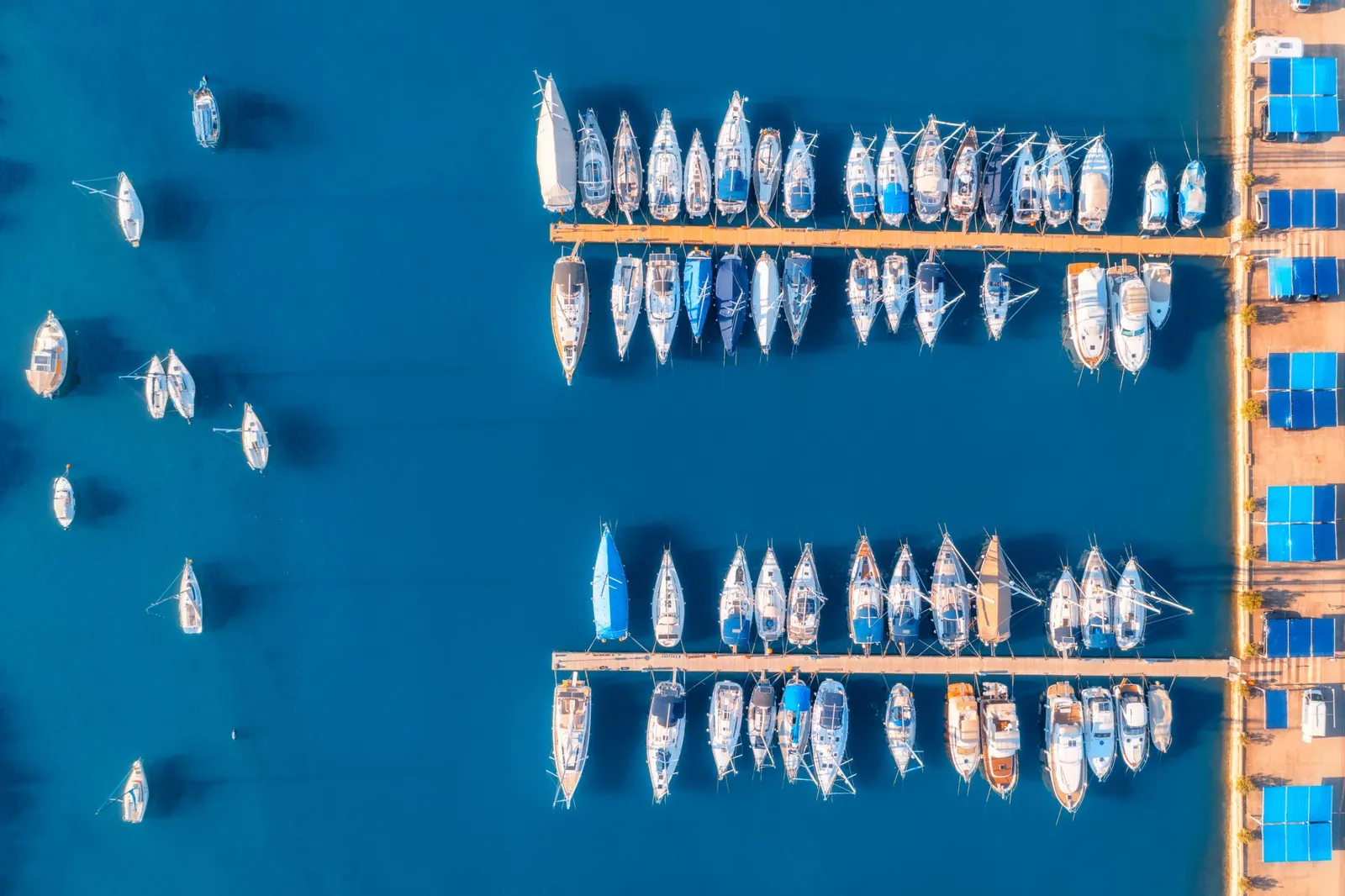
We take the class in the specification as the basis and build the formwork and pour plan around it. For works at marinas and quays see the formwork concrete and ground slab pages, and for mooring weights our mooring block article.