Formwork concrete works
We produce walls, columns, beams and slabs to the dimensions in the project with an even surface. On the coast and on land.
What is formwork concrete?
Formwork concrete means pouring fresh concrete into a pre-built formwork system so it takes the required shape, and holding it there until it hardens. Structural elements such as walls, columns, beams and slabs are made this way. The formwork system, reinforcement placement and concrete quality together decide surface quality and strength.
What we do
We run every stage of formwork concrete, from the formwork plan to stripping, with one crew.
- Formwork installation for walls, columns, beams and slabs
- Checking formwork and spacers (concrete cover) against the reinforcement layout
- Pouring, vibration compaction and curing
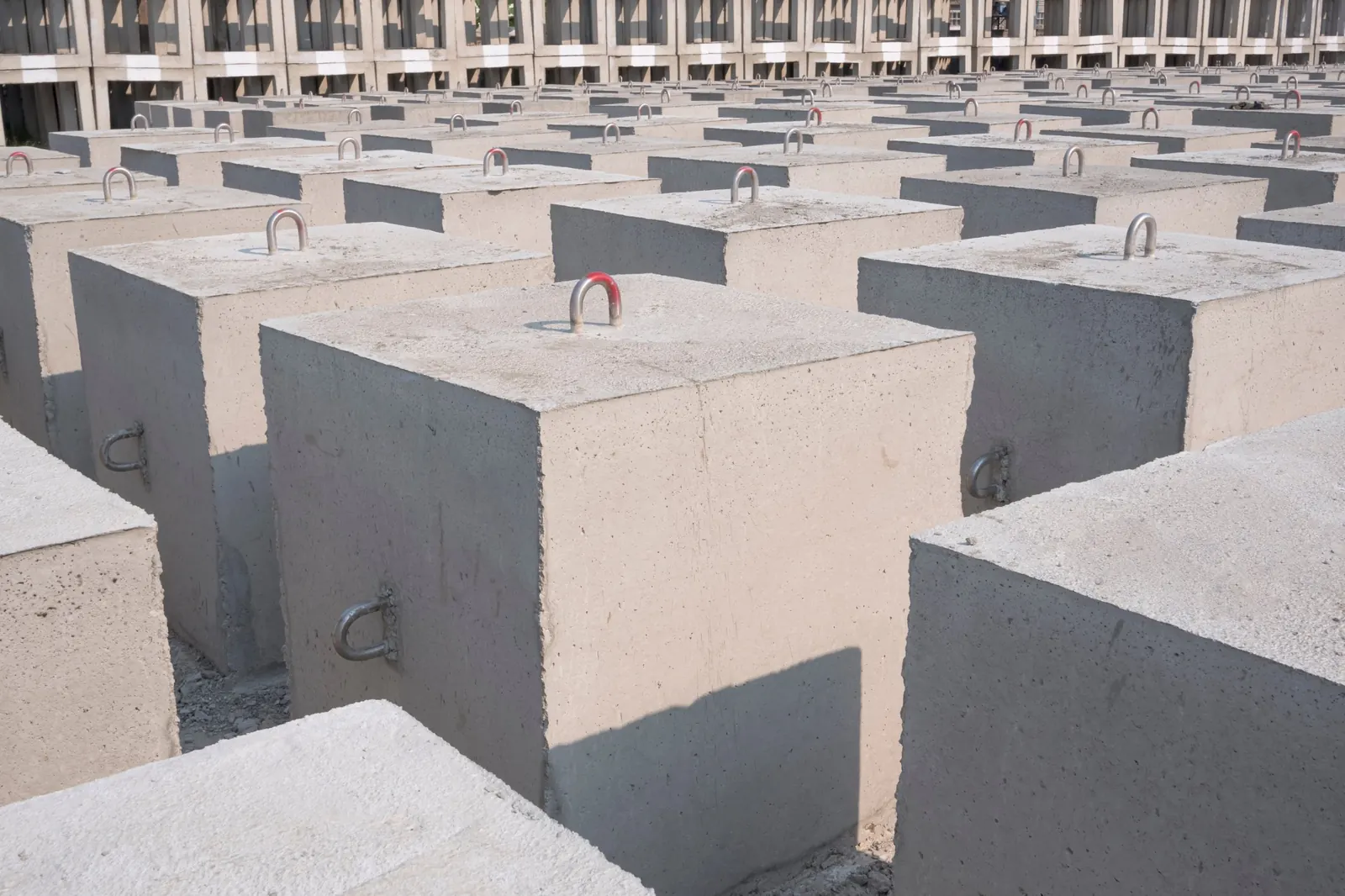
- Formwork and pouring of mooring blocks (mooring weights) for marinas
- Stripping, and surface and dimension checks

Choosing a formwork system
The system is chosen by the geometry of the project, how many times the formwork will be reused and the surface quality required. The table below is a general comparison.
| System | Suited to | Points to watch |
|---|---|---|
| Timber formwork | Free geometry, special and one-off parts | Surface quality can drop over repeated use. |
| Steel and metal panels | Repeated, flat and precise surfaces | Needs initial setup and handling equipment. |
| Aluminium panels | Repeated floors, fast assembly | Light in weight; depends on the dimensional module. |
Mooring blocks and formwork concrete on the coast
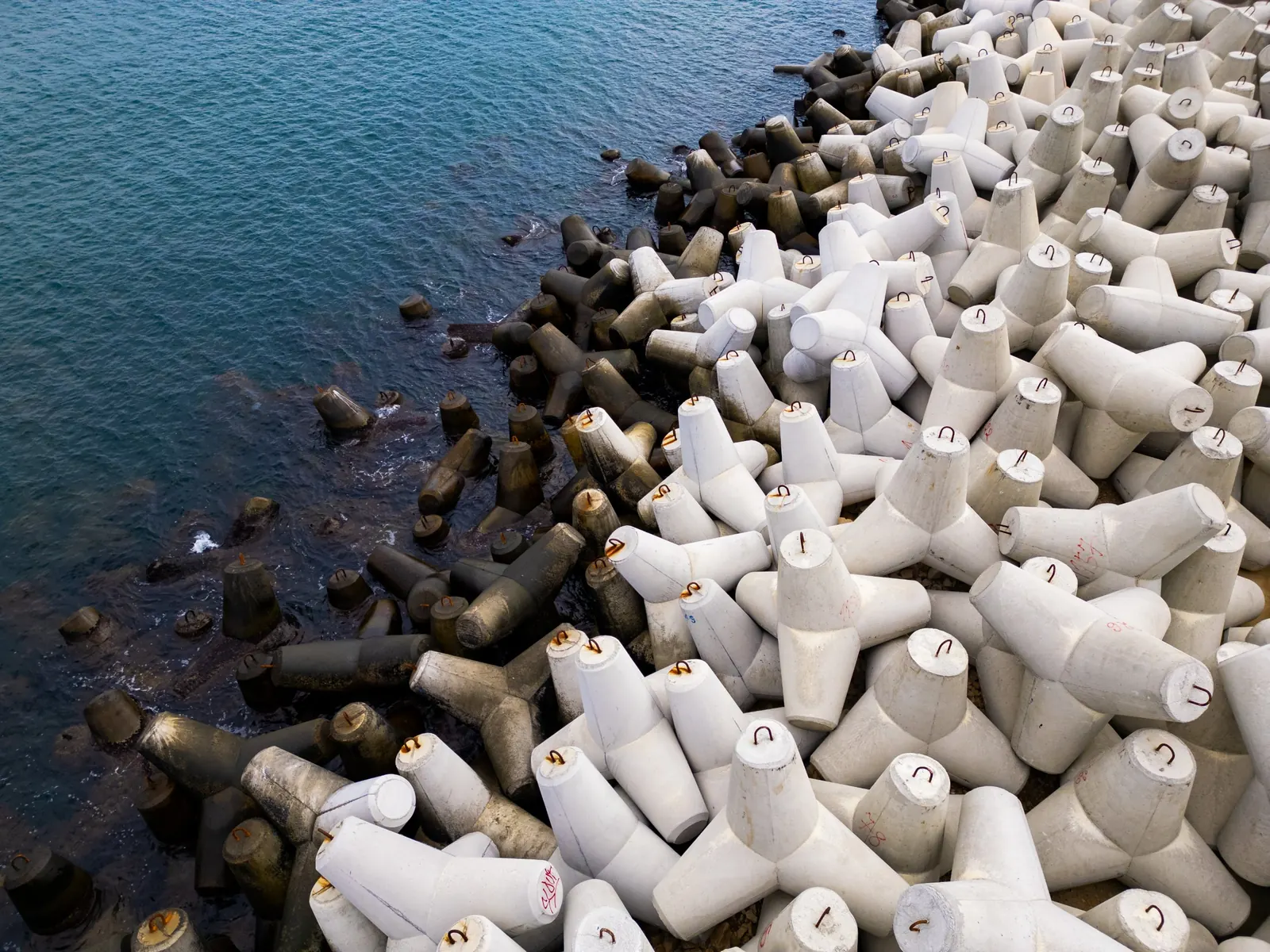
In structures that touch seawater, the concrete class, water/cement ratio and cover are set more strictly because of chloride. TS EN 206 defines the chloride effect from seawater through the XS exposure classes (XS1, XS2 and XS3).
The project specification determines the class required. We build the formwork and pour plan around that specification. Where waves and tides act, the schedule also follows weather and sea state.
Coastal structures
- Mooring blocks (marina mooring weights)
- Connection ring and reinforcement placement
Land structures
- Basement and retaining walls
- Columns, beams and slabs
- Industrial and warehouse buildings
How a formwork concrete job proceeds
Project review and site visit
We review the drawings and the site, and work out element types and quantities.
Formwork plan
We decide the formwork system, scaffold layout and pour sequence.
Installation and reinforcement check
We install the formwork and check reinforcement placement and cover before the pour.
Pouring
We pour the concrete in layers, compact it by vibration and apply the curing plan.
Stripping and handover
When the concrete reaches the required strength we strip the formwork and check surface and dimensions together with you.
Frequently asked questions about formwork concrete
What is a mooring block?
A mooring block is a concrete weight that holds a boat or buoy to the seabed by chain in marinas and bays. It stays in place by its own weight and the chain is attached through its connection ring.
Block weight and size depend on the boat, the seabed and local weather and wave conditions. That is why we cannot give one size for all cases; we need some information before quoting.
Is formwork concrete the same as ready-mix concrete?
No. Ready-mix concrete is the concrete itself, produced at a plant and delivered to site. Formwork concrete is the work of pouring that concrete into formwork and turning it into an element. They work together: the formwork gives the shape, the concrete gives the material.
How long does formwork stay in place?
It depends on the element type, concrete class, air temperature and the load the element carries. Side formwork is usually removed earlier than load-bearing soffit formwork.
The project specification and concrete strength results decide when to strip. A number of days alone is not enough for this decision.
What determines the price of formwork concrete?
The number and geometry of elements, how many times the formwork is reused, height and access, reinforcement density, the surface quality required, site conditions and the schedule all affect the price. At coastal sites, sea access and weather are also factored in.
Giving a firm price without quantities and drawings would be misleading. After the site visit we prepare an itemised written quote.
Is formwork concrete different in coastal structures?
Yes. Seawater and salty air create a chloride effect, so the concrete class, cover and curing are controlled more strictly. Where waves and tides act, the time window for pouring can also narrow; the schedule is built around those limits.
What information is needed for a quote?
The project location, element types and approximate quantities, architectural and structural drawings if you have them, the surface quality required and the target schedule are enough. If there are no drawings, photos and a short description are a good start for the site visit.
Get a quote for your formwork concrete job.
The project location and element types are enough. If there are no drawings, send photos.